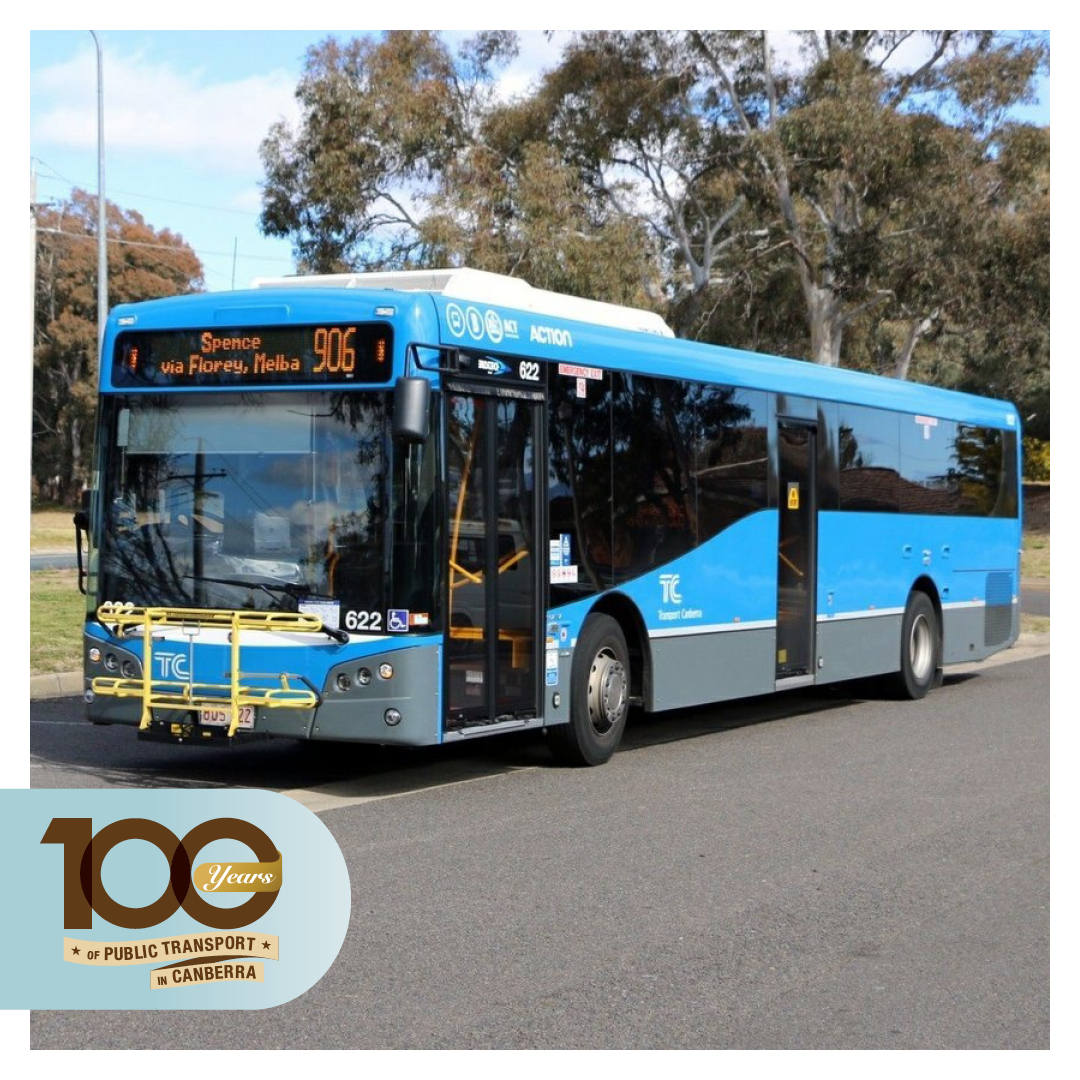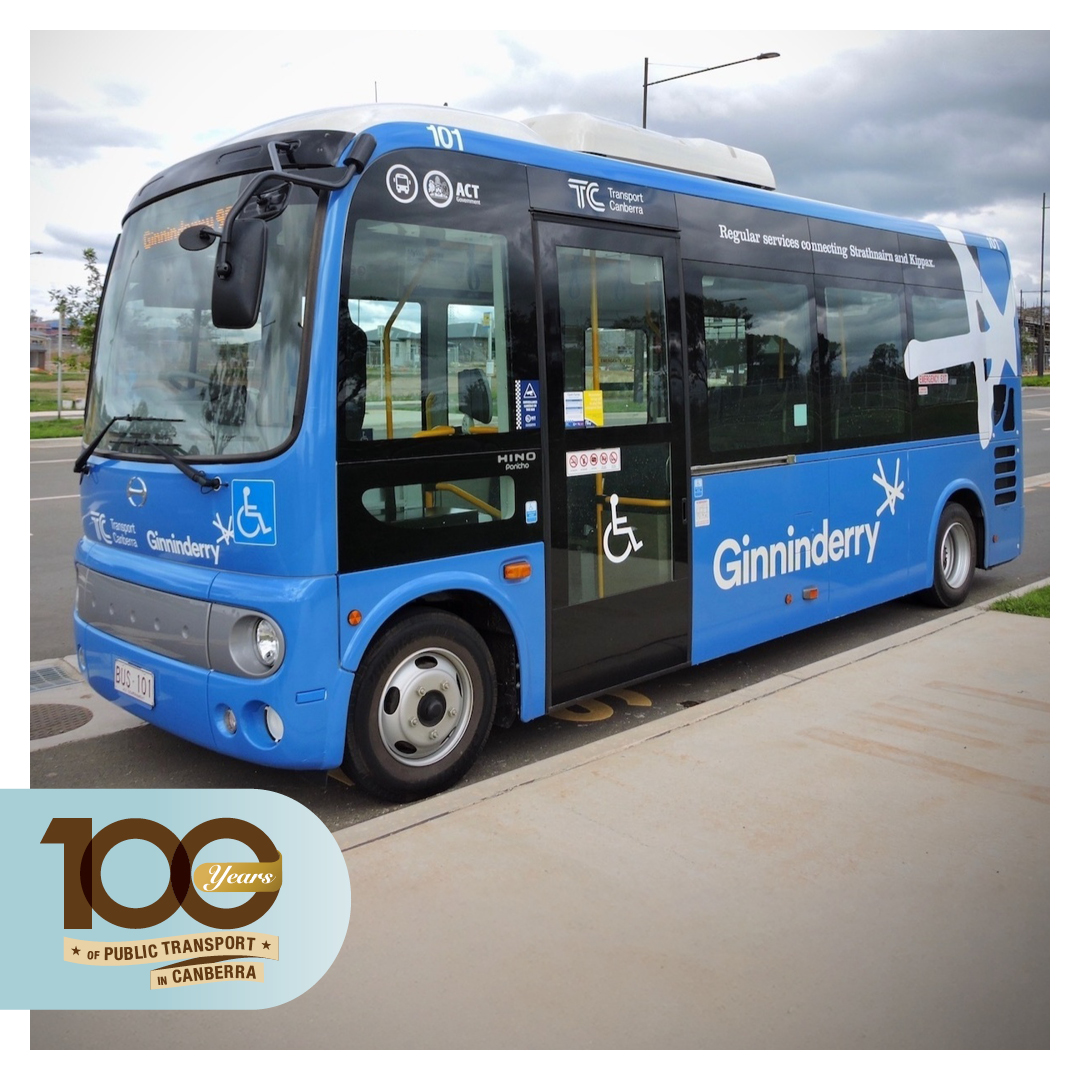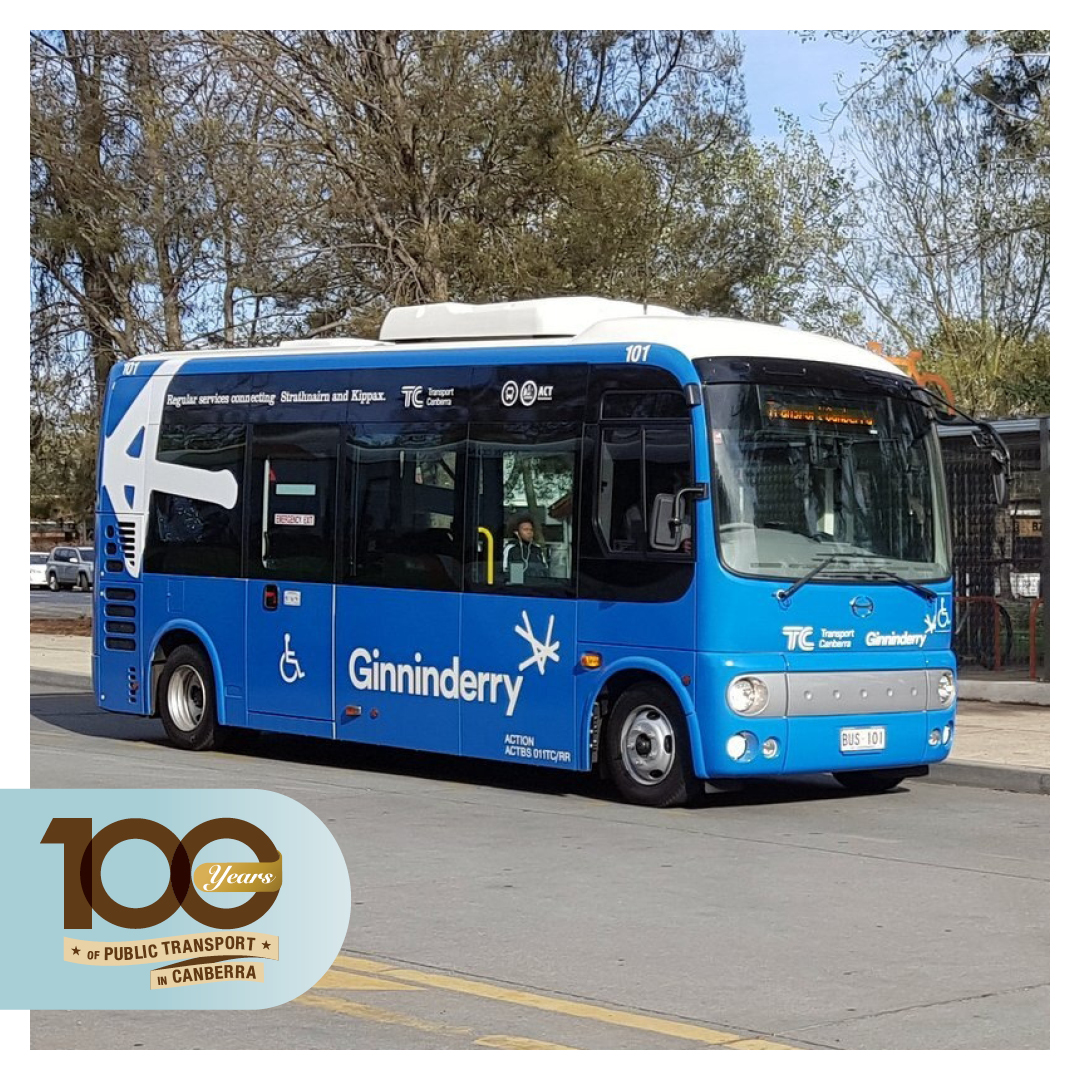

Transport Canberra is proud to celebrate 100 years of public transport in Canberra.
Since the first bus services commenced in July 1926, public transport has played an important role in shaping the nation's capital and connecting our community. What began with just two buses supporting a small and growing city has evolved into today's integrated public transport network of buses and light rail, helping people travel across Canberra every day.
As the city developed, public transport grew alongside it. New suburbs were connected, services expanded, fleets modernised and new technologies introduced to meet the needs of a changing community. From the early days of transporting workers and school students to today's modern, accessible and sustainable network, public transport has remained at the heart of Canberra's growth.
This centenary is about more than buses, light rail vehicles and infrastructure. It is an opportunity to recognise the generations of people who have helped keep Canberra moving. Drivers, mechanics, planners, customer service staff, operational teams and many others have contributed to building and operating a network that Canberrans have relied upon for a century.
Throughout the centenary year, this page will serve as a hub for celebrating 100 years of public transport in the ACT. We'll be regularly adding new stories, historical photographs, milestone moments and articles exploring how public transport has evolved alongside Canberra over the past century.
We invite all Canberrans to follow along, share their memories and join us in celebrating the people, places and journeys that have helped shape our city.
Here's to a century of connecting Canberra and the journey ahead.
For 100 years, public transport has helped connect Canberrans to the people and places that matter most. As Canberra has grown, so too has the public transport network evolving to meet the needs of our changing city.
Some of the key milestones in Canberra's public transport journey include:
1926
The Federal Capital Commission commences operating bus services in Canberra
Public bus services officially began in Canberra under the Federal Capital Commission, providing essential transport connections for workers, residents and visitors in the ACT. The service laid the foundation for a public transport network that would grow alongside Canberra's expanding population and suburbs.
1927
Services expand to support the opening of Old Parliament House and the growing population of the capital
With the opening of Parliament House (now Old Parliament House) and the arrival of public servants from across Australia, demand for public transport increased significantly. Additional bus services were introduced to connect residential areas with government offices and key destinations throughout Canberra.
1936
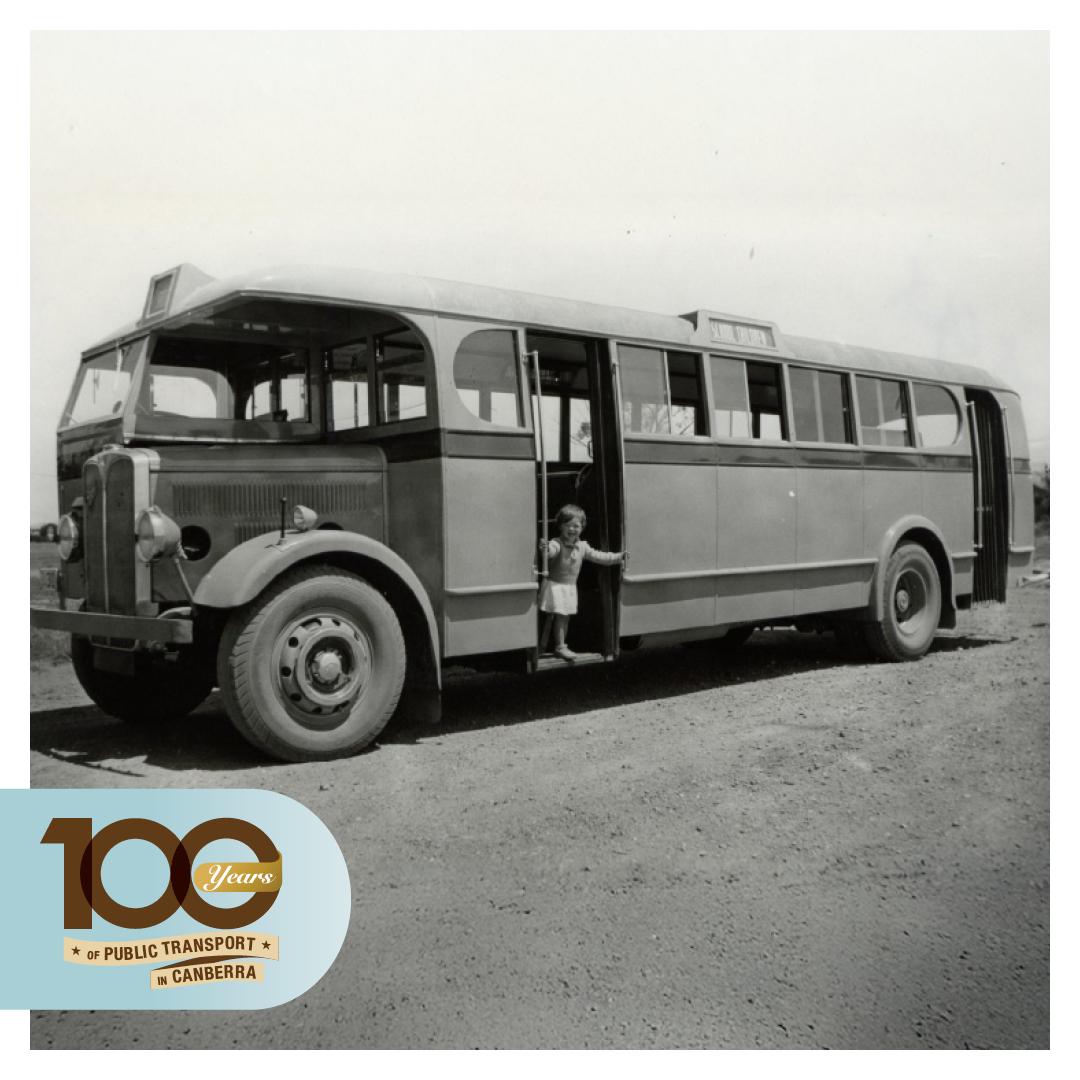
AEC diesel buses are introduced to the fleet
The introduction of AEC diesel buses marked an important step in modernising Canberra's transport network. These vehicles provided greater reliability and efficiency, supporting the city's continued growth during the pre-war years.
1946–1950s
Post-war fleet modernisation sees the introduction of new AEC Regal, Regal III and Bedford buses
Following World War II, Canberra experienced rapid population growth. New AEC Regal, Regal III and Bedford buses were added to the fleet to improve capacity and service reliability as new communities were established across the city.
1950s
Services expand to new suburbs
As Canberra developed into a series of planned suburban communities, bus services expanded into areas including Narrabundah, Yarralumla, O'Connor, Dickson and Campbell. Public transport played a vital role in connecting residents to employment, education and community services.
Mid-1950s
Introduction of one-person bus operations
Advances in ticketing and vehicle design enabled Canberra to move to one-person operations, where drivers could also sell tickets. This increased operational efficiency and reflected changing practices across Australian public transport networks.
1968
Network reforms introduced
A major review of Canberra's bus services led to the introduction of more consistent routes, standardised timetables and improved connections across the network. These reforms helped create a more coordinated and user-friendly public transport system.
1974
The Y-Plan shapes Canberra’s future transport network.
Canberra's Y-Plan established a long-term vision for the city's development around connected town centres linked by major transport corridors. This planning approach continues to influence public transport development and laid the groundwork for future rapid transit and light rail services.
1977
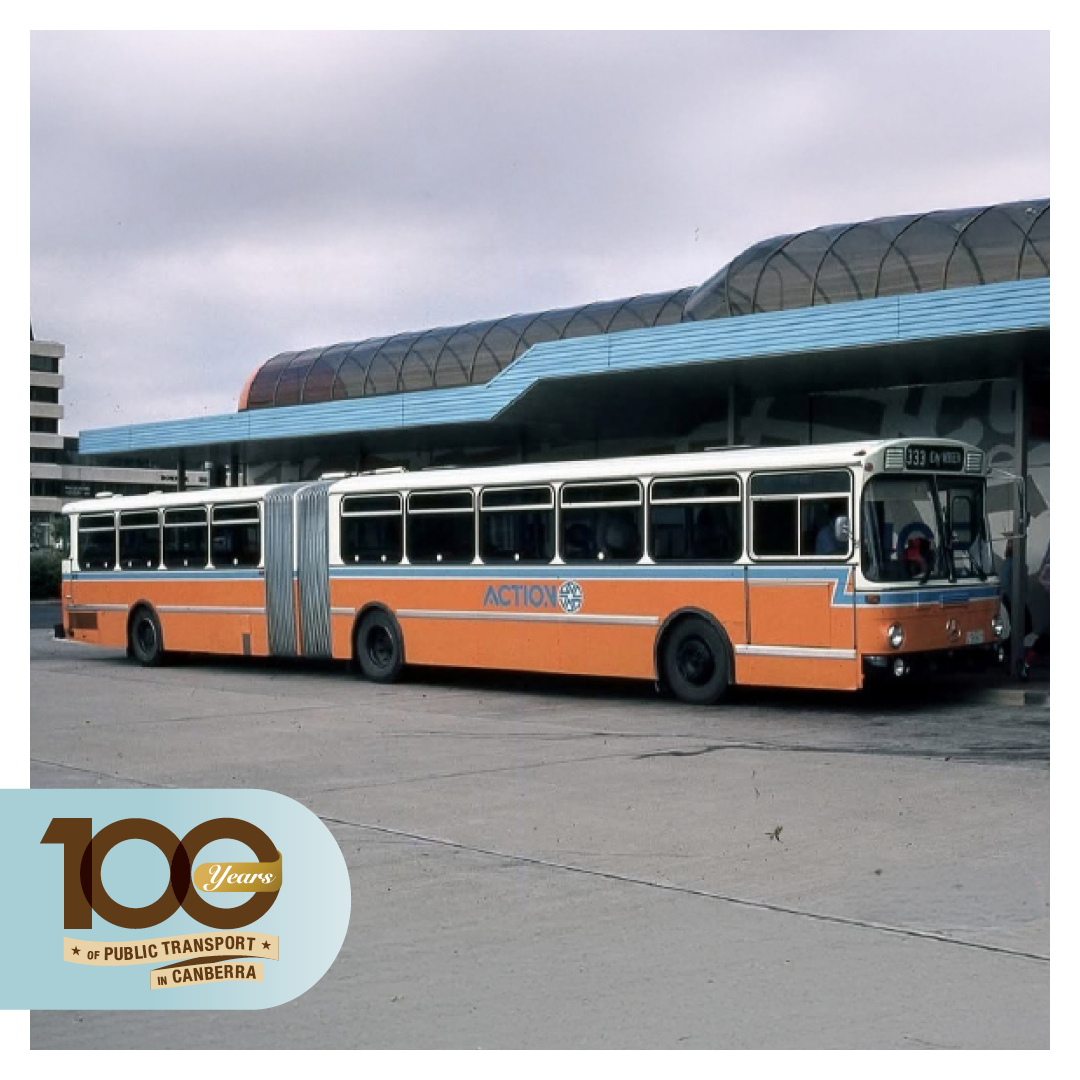
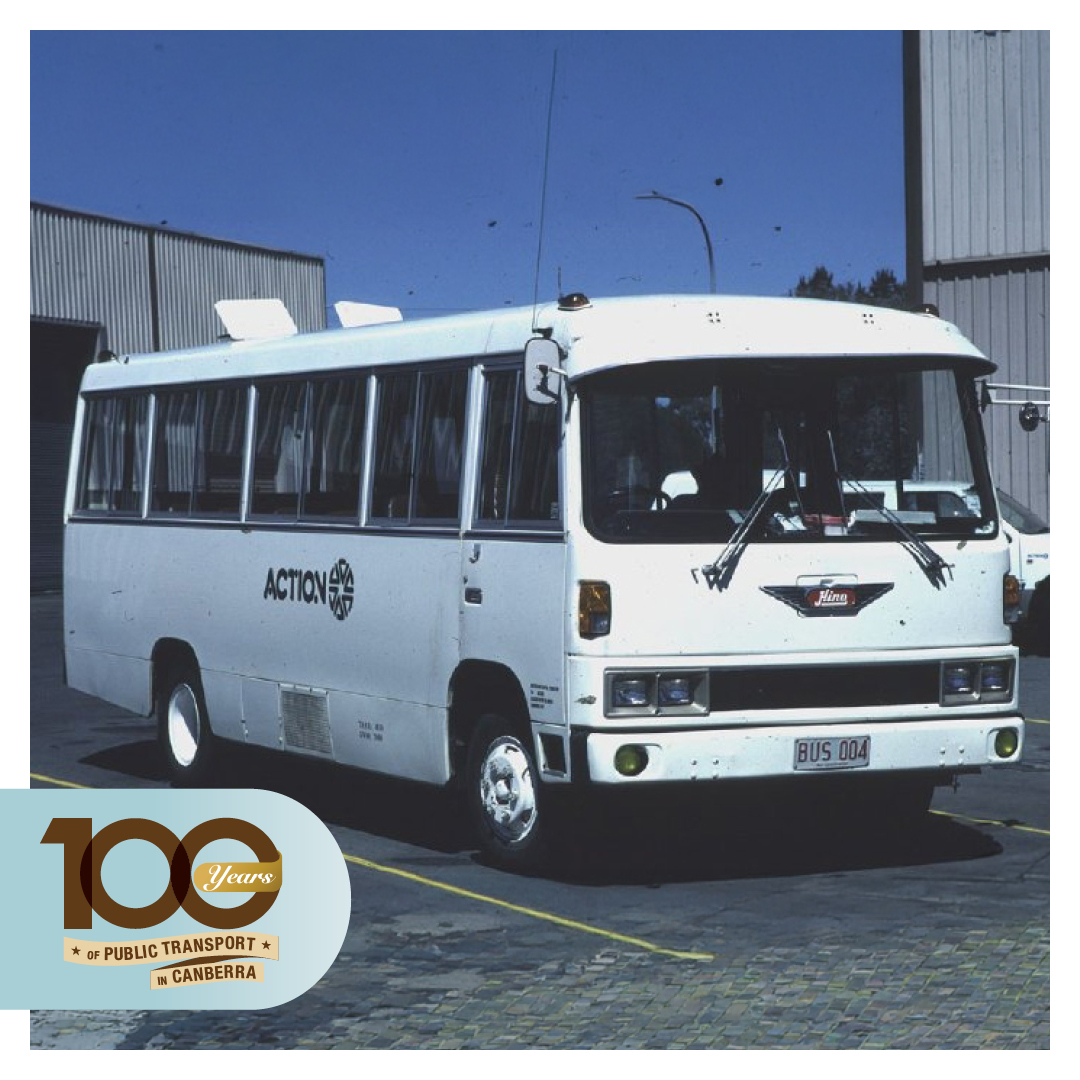
The network becomes ACTION
The Australian Capital Territory Internal Omnibus Network, better known as ACTION, officially became the public face of Canberra's bus services. The new identity helped establish a recognisable and trusted public transport brand for Canberrans.
1982
ACTION begins operating the Canberra Explorer service in partnership with Murrays
ACTION partnered with Murrays to introduce the Canberra Explorer, providing visitors with a convenient way to experience the city's major attractions. The service highlighted the important role public transport plays in supporting tourism and showcasing the national capital.
1989
Self-government brings local control
Following ACT self-government, responsibility for Canberra's public transport network transferred from the Commonwealth to the ACT Government. This enabled local decision-making and greater responsiveness to the transport needs of Canberra's growing community.
1995
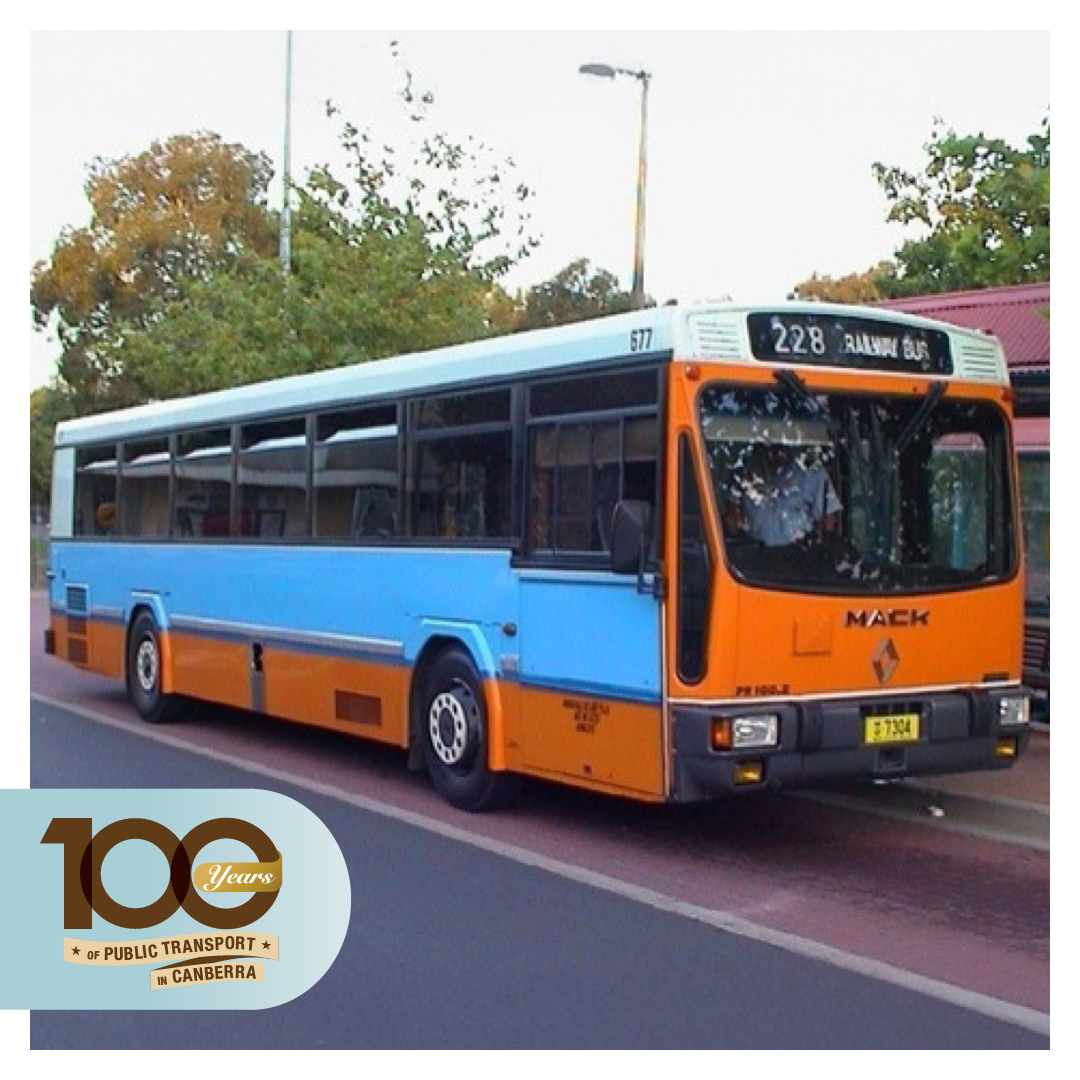
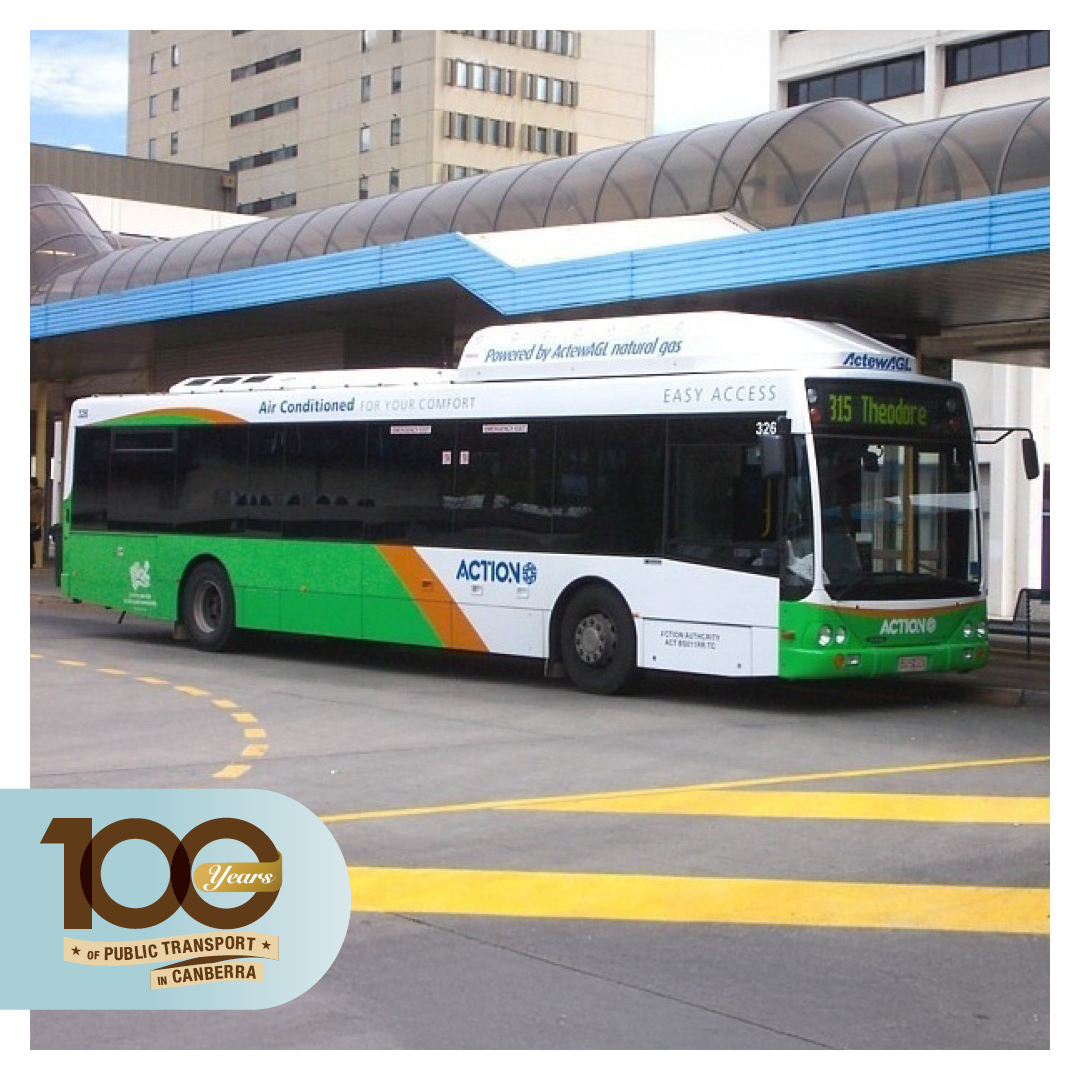
Accessible buses begin entering service
The introduction of low-floor accessible buses improved access for people with disability, older Canberrans and parents travelling with prams. These vehicles represented an important step towards creating a more inclusive public transport system.
2001
ACTION becomes a statutory authority
ACTION's transition to a statutory authority provided greater operational independence and a stronger focus on delivering safe, reliable and customer-focused public transport services across Canberra.
2011
MyWay smartcard ticketing is introduced
The introduction of the MyWay smartcard system modernised public transport ticketing in Canberra. Passengers could now use reloadable smartcards to conveniently pay for travel, replacing traditional paper-based ticketing.
2012
Commitment to light rail
The ACT Government announced plans to deliver light rail between Gungahlin and the City, marking one of the most significant public transport investments in Canberra's history. The project aimed to support population growth, urban renewal and a more sustainable transport network.
2016
Transport Canberra is established
Transport Canberra was created by bringing together ACTION and the Capital Metro Agency. The new organisation enabled a more integrated approach to planning and delivering public transport services across the ACT.
2018
A redesigned bus network prepares for light rail
Canberra's bus network underwent its most significant redesign in decades to integrate with the upcoming light rail service. The changes introduced new rapid routes and improved connections between suburbs and town centres.
2019
Light rail begins operations
Canberra's first light rail service commenced operations between Gungahlin and the City. The launch represented the return of rail-based public transport to the capital and marked a major milestone in the city's transport history.
2021
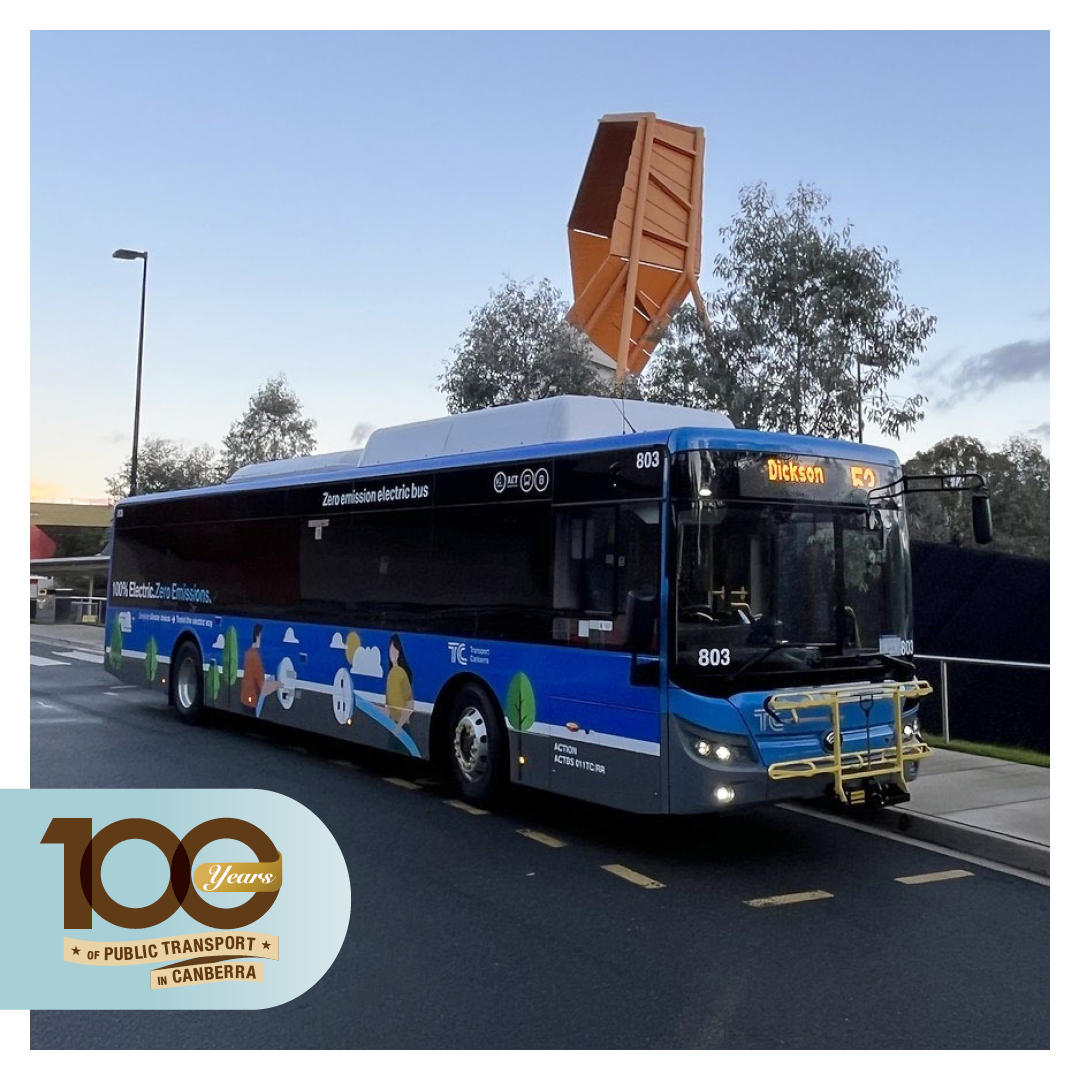
Electric buses join the fleet
Transport Canberra introduced its first battery-electric buses as part of the ACT Government's commitment to achieving a zero-emission public transport fleet. This milestone signalled the beginning of a new era of sustainable public transport.
2024
MyWay+ launches
The introduction of MyWay+ transformed how passengers pay for and plan their public transport journeys. The new system introduced account-based ticketing, contactless payment options and enhanced real-time travel information for buses and light rail.
2026
100 years of connecting Canberra
Transport Canberra celebrates a century of public transport in the national capital. From a small bus service operated by the Federal Capital Commission in 1926 to an integrated network of buses and light rail, public transport has helped connect communities and shape Canberra's growth for generations.
From the first buses operating in the nation's capital to today's integrated network of buses and light rail, public transport continues to play an important role in connecting communities across Canberra.
We look forward to sharing more stories, milestones and memories throughout our centenary year.
Source: Historical information and imagery provided with assistance from ACTBus.
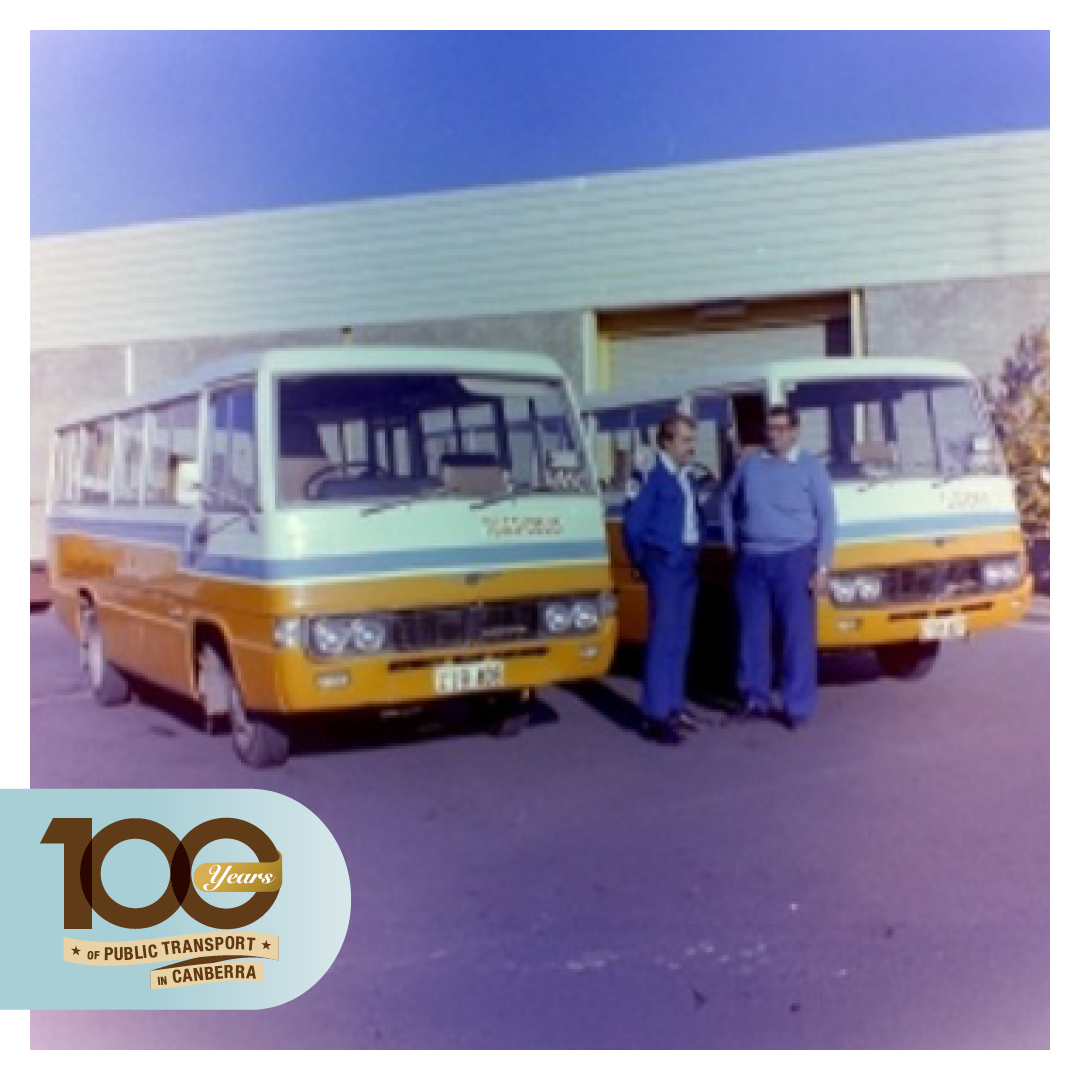
1930s - 1970s
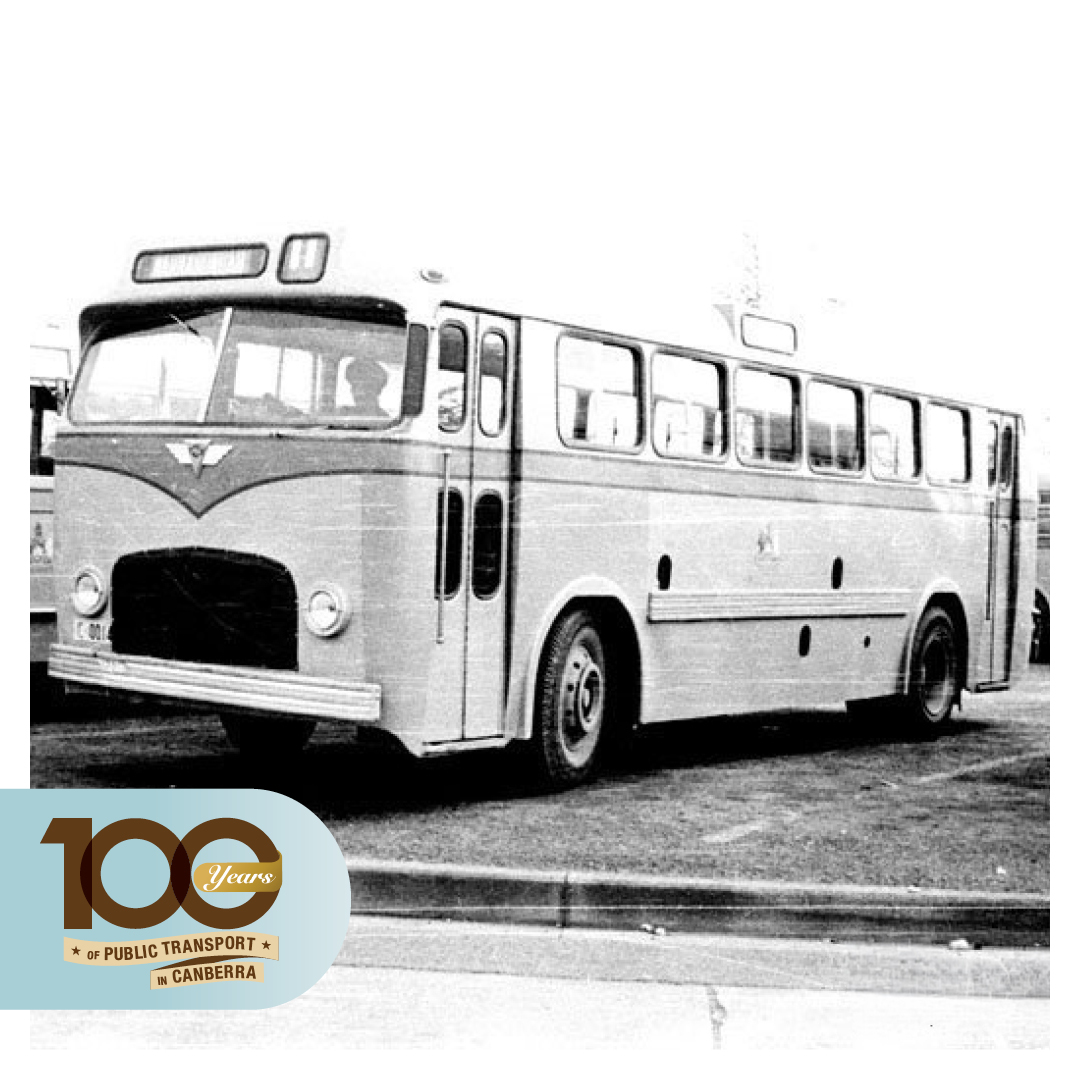
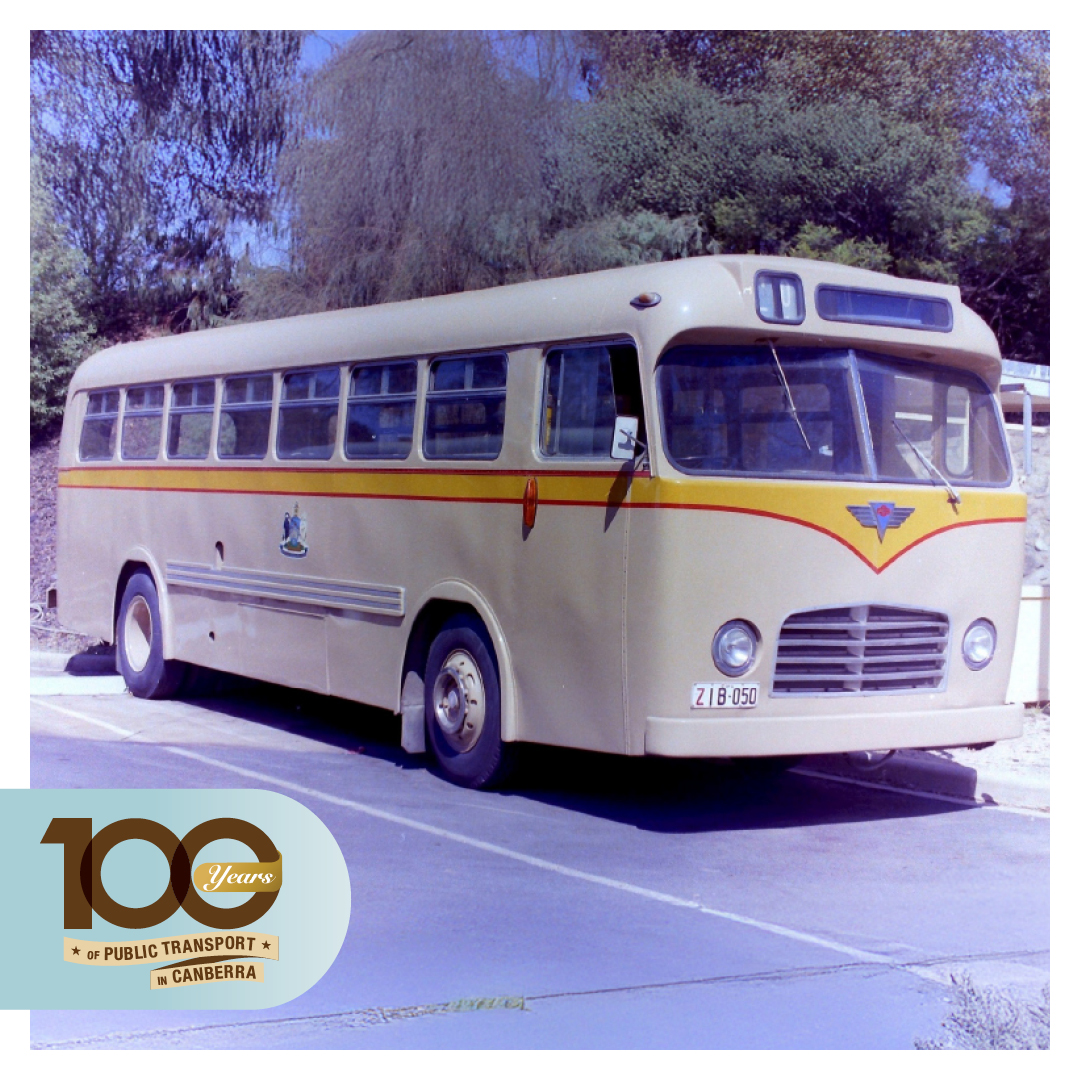
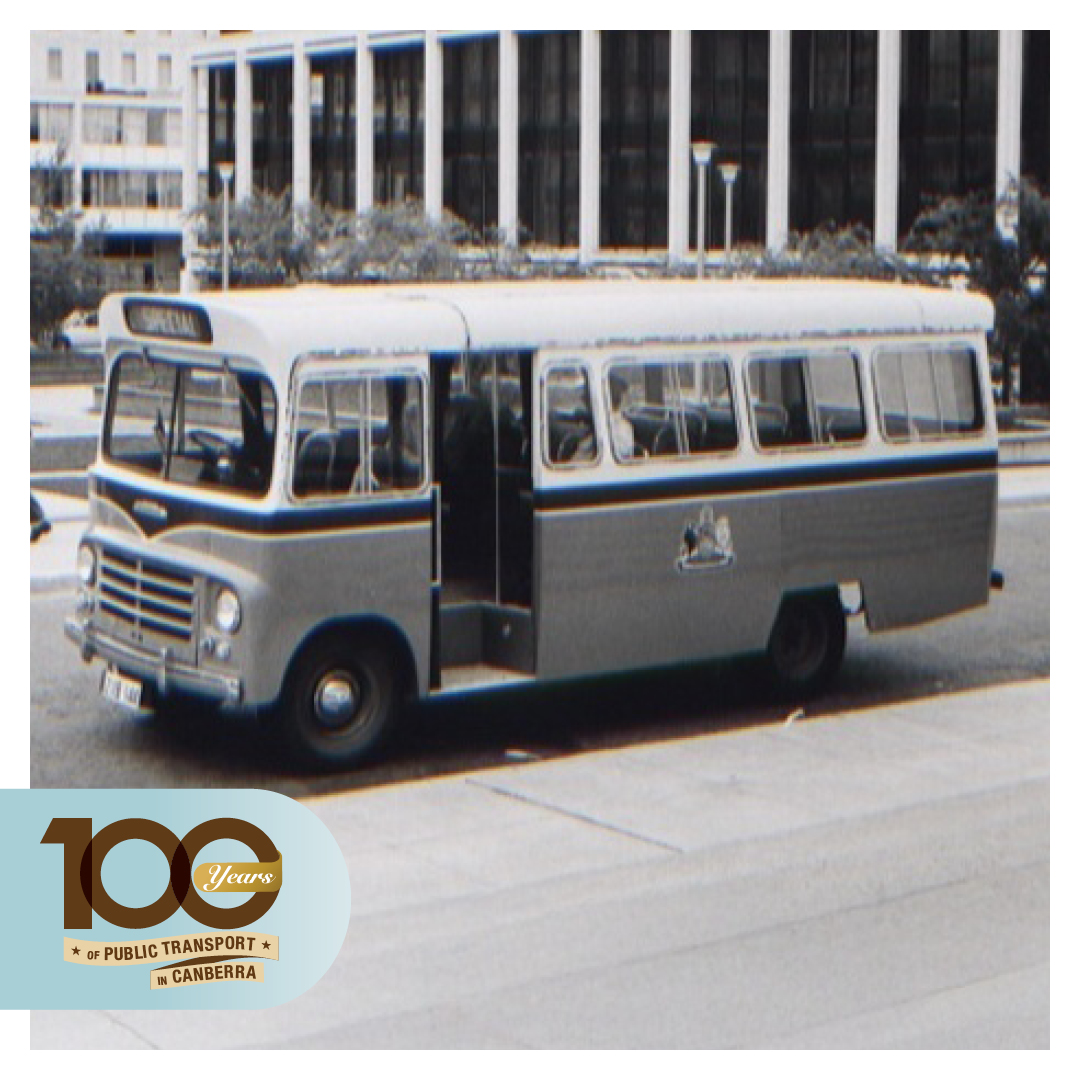
Late 1970s - 1980s
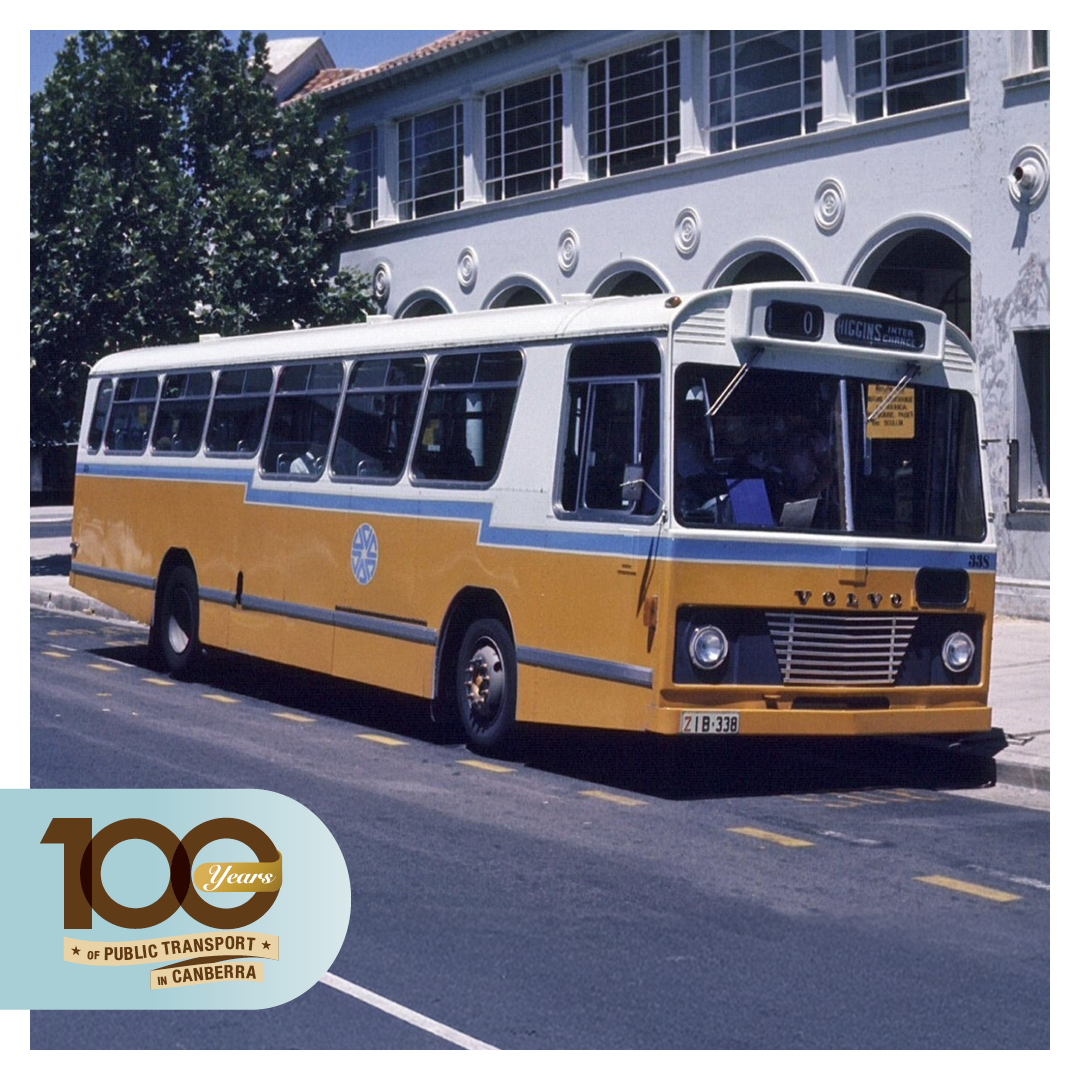
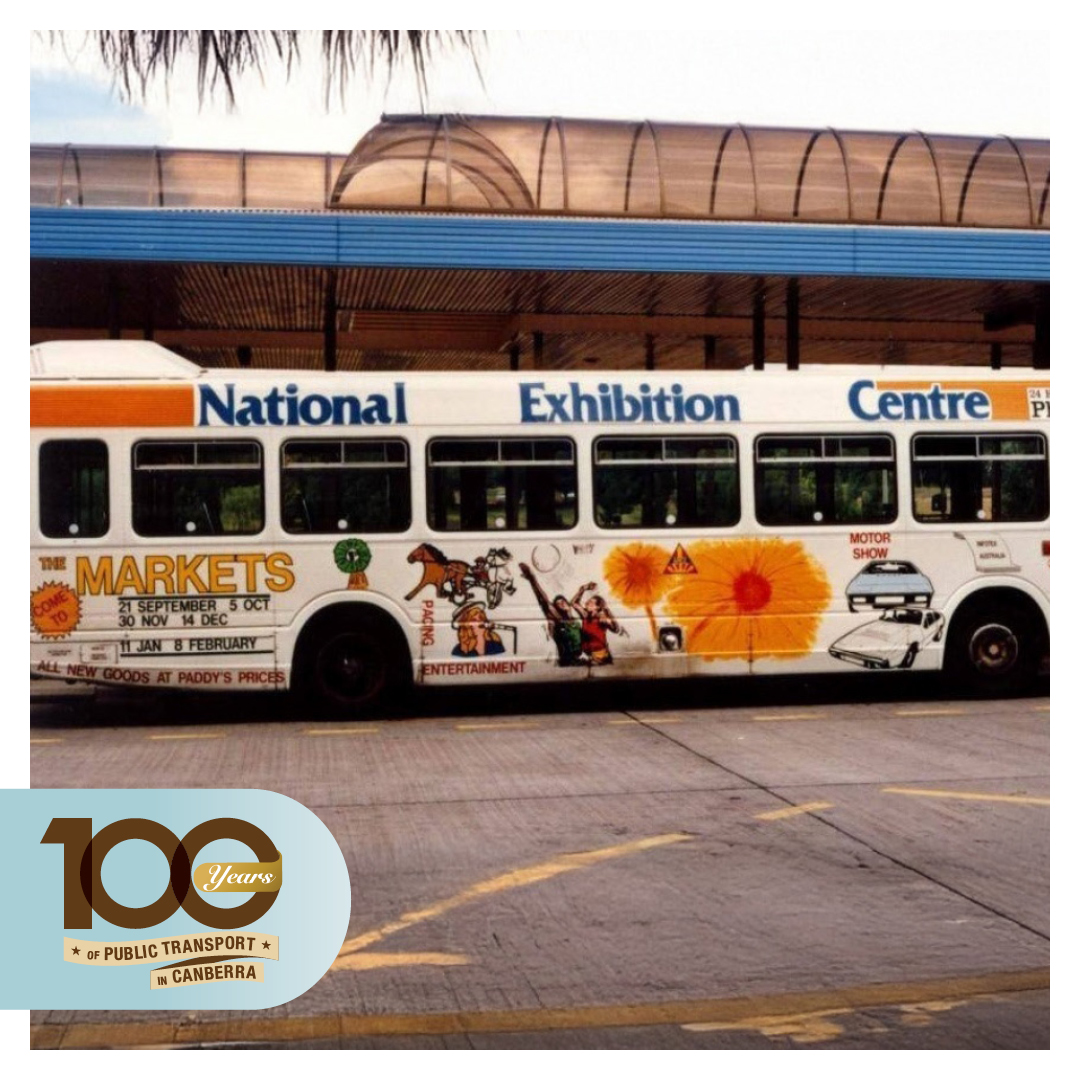
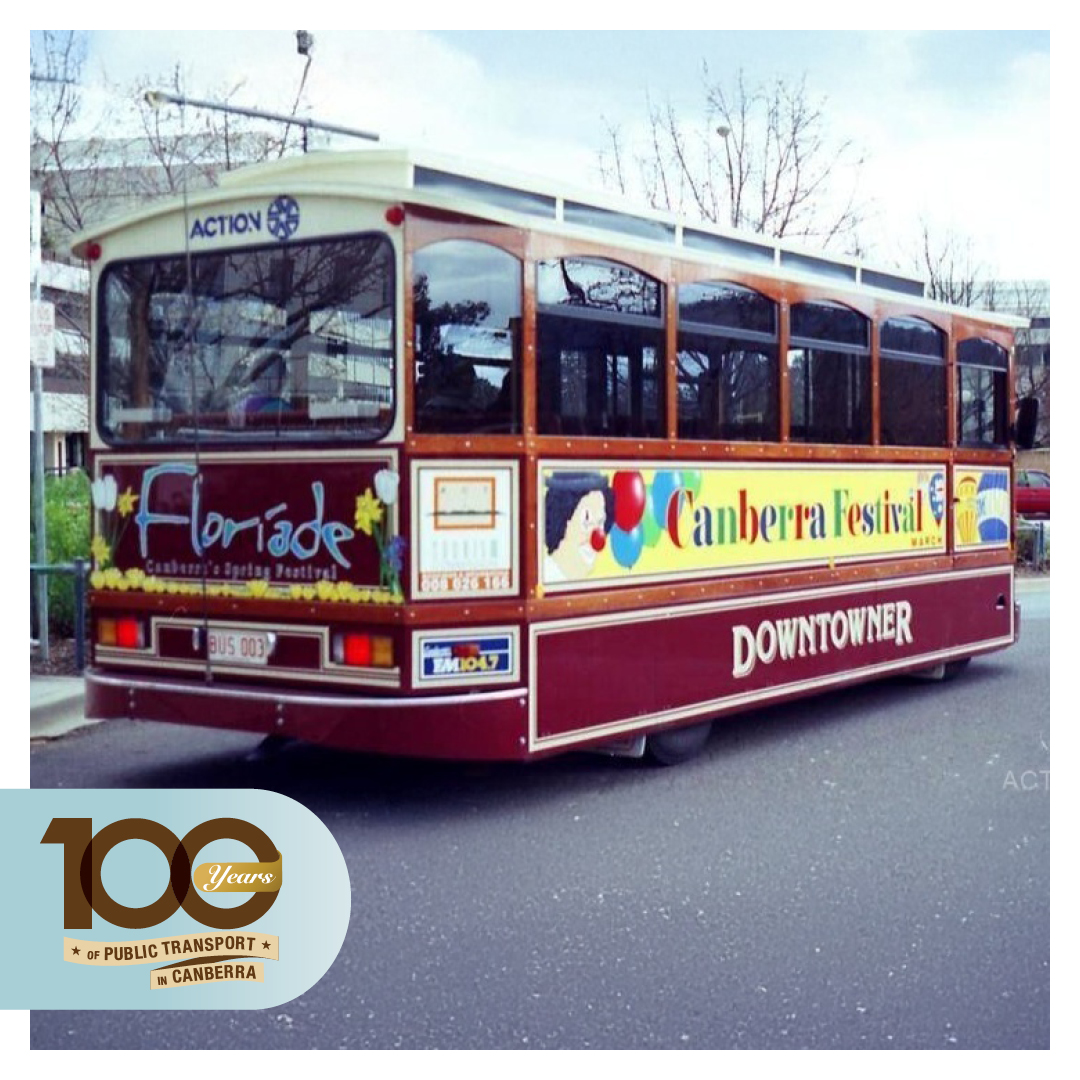
1990s - 2010s
Modern Fleet (2017 - Present)